0115 964 7740 - law@curtisparkinson.com

Buying or Selling a Home with Solar Panels
10 October, 2025 6 minutes reading time
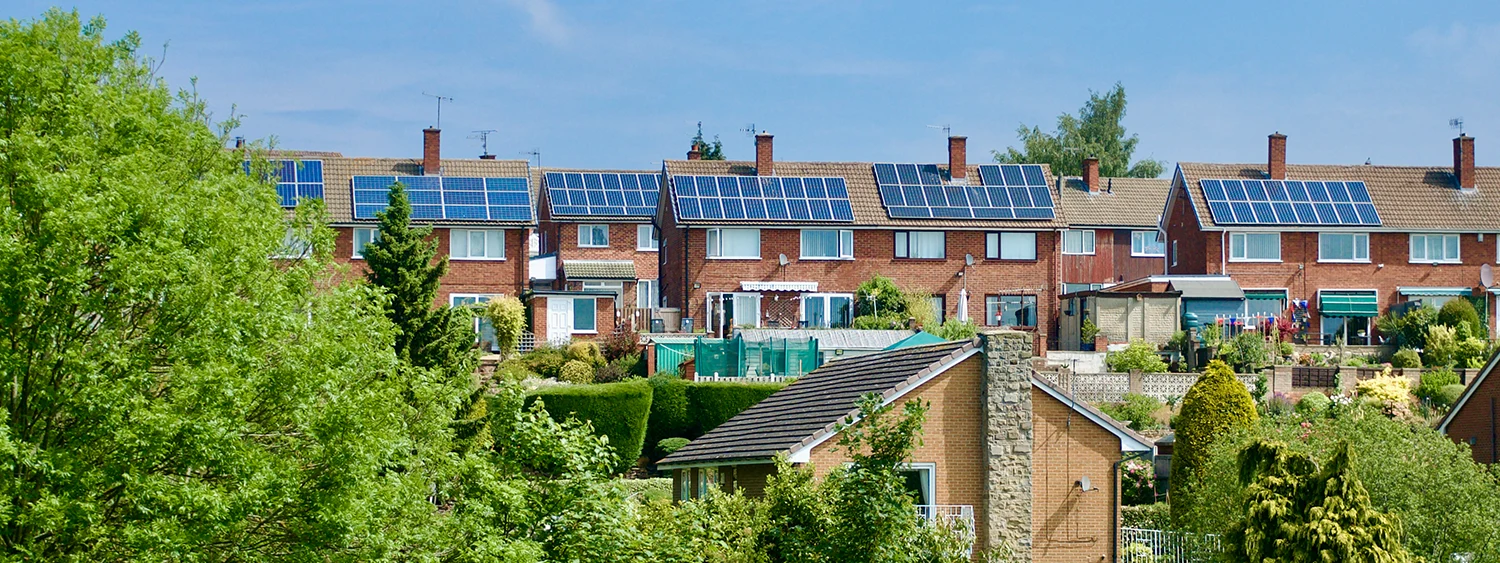
With an estimated 1.6 million homes now fitted with solar panels, it comes as no surprise that clients often ask whether solar panels affect the sale or purchase of a property.
Undoubtedly, solar panels are a valuable asset, providing energy savings and environmental benefits. However, when relocating, they pose a unique set of legal and conveyancing challenges. Buyers and their lawyers must request a comprehensive set of documents from the seller. These documents should confirm that the installation and maintenance are properly recorded.
The key to a smooth transaction is simple: transparency and preparation. Here’s an overview of what every buyer and seller should know when managing a property sale involving solar panels.
1. Owned or Leased
The first and most important question is: Who owns the solar panels? The legal process varies considerably depending on whether the seller owns the panels outright or if they are part of a ‘Rent-a-Roof’ scheme, Power Purchase Agreement (PPA), or lease.
If the Panels Are Owned Outright
For those selling property, the panels are regarded as fixtures and transfer with the property, just like your boiler or built-in oven. Collect all installation and ownership documents for the buyer.
As a buyer, you inherit the system and its energy benefits. Your conveyancer will focus on the system’s documentation. It’s advisable to use a qualified (specialist) electrician to check the solar panel’s condition. See section 3 below.
If the Panels Are Leased or under a PPA
The Agreement: The solar company owns the panels and has a long-term lease of the roof space, often lasting 20-25 years. The seller effectively acts as a landlord, and the buyer must agree to assume this tenant-landlord relationship.
Transferring the Lease: The sale requires the buyer to assume the existing lease or PPA. This involves a formal transfer process with the solar company, including a credit check on the buyer.
Lender Hesitation: Many mortgage lenders have strict requirements for approving homes with leased solar panels. If the lease does not meet their criteria (often based on industry guidelines), they may refuse to lend, which can derail the sale.
Exit Strategy (Seller): If the buyer refuses to assume the lease, the seller might need to consider expensive options, such as buying out the remaining term or removing the panels entirely, which require permission and entail high costs.
2. Essential Documents
In a solar panel transaction, paperwork is paramount. Whether buying or selling, your legal adviser will need to review a complete set of documents to ensure the installation is compliant and the transfer is secure.
| Document | Why it Matters | Owned System | Leased System |
| Lease/PPA Agreement | Defines all obligations, payment terms, and transfer requirements. | ❌ | ✅ |
| MCS Certificate (Microgeneration Certification Scheme) | Proof the installation meets industry standards. Crucial for mortgage lending and utility schemes. | ✅ | ✅ |
| Electrical Compliance Certificate (e.g., Part P) | Confirms the associated electrical work is safe and complies with building regulations. | ✅ | ✅ |
| Roof Survey/Structural Report | Proves the roof can support the panels’ weight. | ✅ | ✅ |
| Planning Permission/Covenant Consent | Evidence that the installation complied with local planning rules or property deed restrictions. | ✅ | ✅ |
| Warranties & Maintenance Records | Verifies the system is in good repair and shows what is covered and for how long. | ✅ | ✅ |
| Feed-in Tariff (FIT) or Smart Export Guarantee (SEG) Paperwork | Shows the transfer process for the financial benefit (payment for exported electricity). | ✅ | ✅ |
| Loan/Finance Documents | If the panels were financed, proof that the seller will pay off any outstanding loan tied to the property at completion. | ✅ | ❌ |
3. Due Diligence
If you buy a house with solar panels, don’t just concentrate on lower utility bills. A buyer’s due diligence must go beyond the standard home survey.
Lease Transfer
For a leased system, ensure your mortgage lender officially approves the specific lease agreement and that you meet the solar company’s credit requirements for the assignment.
FIT/SEG Transfer
Make sure the seller finishes the necessary paperwork to transfer the benefit of any Feed-in Tariff or Smart Export Guarantee payments into your name once the process is complete. This is a common cause of delays.
Roof Structure
The solar panel equipment can add weight to the roof. It is always recommended that a thorough structural survey be conducted.
Get a Solar Inspection
A standard home survey might not include the electrical system or solar components. Consider hiring a specialised solar electrician to assess the system’s performance and condition.
Also, verify that the provider and installer are members of the Renewable Energy Consumer Code (RECC). Crucially, confirm that only MCS-approved equipment and MCS-certified installers were used. In many cases, mortgage lenders will not proceed unless the panels meet MCS standards.
Review Maintenance Responsibilities
If the panels are owned, who covers the costs of future maintenance? If leased, who is responsible for damage and removal, such as roof repairs? The documents must clearly specify this.
Planning Permission
Installing solar panels is usually considered permitted development. However, if the property is in a conservation area or is a listed building, planning permission is required instead. Other situations may also require planning permission, even if the property isn’t listed or in a conservation area. Buyers should check with their surveyor and solicitor to confirm.
Building Regulations
Typically, these are not necessary for solar panel installation, but a certificate for the electrical work might be required. Your solicitor should verify its availability.
Impact on Future Plans
Your solicitor should check the lease agreement for any restrictions on future property modifications, such as extensions or loft conversions, that might impact the panels.
4. Checklist for Sellers
Get Organised Early
Gather all documents, especially the lease and Microgeneration Certification Scheme (MCS) certificate, as soon as you decide to sell. Missing paperwork is the main cause of delays.
Be Transparent
Disclose the ownership status (whether owned or leased) and provide all relevant documents to your conveyancer and potential buyers in advance.
Consider a Buyout
If you have a leased system, think about whether buying it is financially sensible. This is because owning the system can be more attractive to cash buyers and mortgage lenders.
5. Checklist for Buyers
Involve Your Conveyancer
Inform your conveyancing solicitor about the solar panels immediately. They need to start the title check and lender inquiry regarding the lease or ownership.
Verify Certifications
Insist on viewing the MCS and electrical/energy performance certificates. A lack of these can highlight safety concerns and impede future saleability.
Factor in Ongoing Costs
Understand the remaining lease or PPA duration and monthly payments. Also consider future maintenance costs if the panels are owned.
Our Advice
Working with a conveyancer experienced in properties with solar panels is beneficial for both buyers and sellers.
For sellers, having a specialist lawyer by your side means they can help you prepare all the necessary documents early on. This proactive approach helps you avoid common issues and delays that might otherwise threaten your sale.
If you’re a buyer, your lawyer will guide you by asking the right questions and thoroughly reviewing all the paperwork. This way, you’ll gain a clear understanding of the financial and legal commitments involved, making the whole process smoother and more reassuring.
For further advice or information, please do not hesitate to contact us. We’re here to help.
Please note that all views, comments or opinions expressed are for information only and do not constitute and should not be interpreted as being comprehensive or as giving legal advice. No one should seek to rely or act upon, or refrain from acting upon, the views, comments or opinions expressed herein without first obtaining specialist, professional or independent advice. While every effort has been made to ensure accuracy, Curtis Parkinson cannot be held liable for any errors, omissions or inaccuracies.
Partnerships & Accreditations