0115 964 7740 - law@curtisparkinson.com
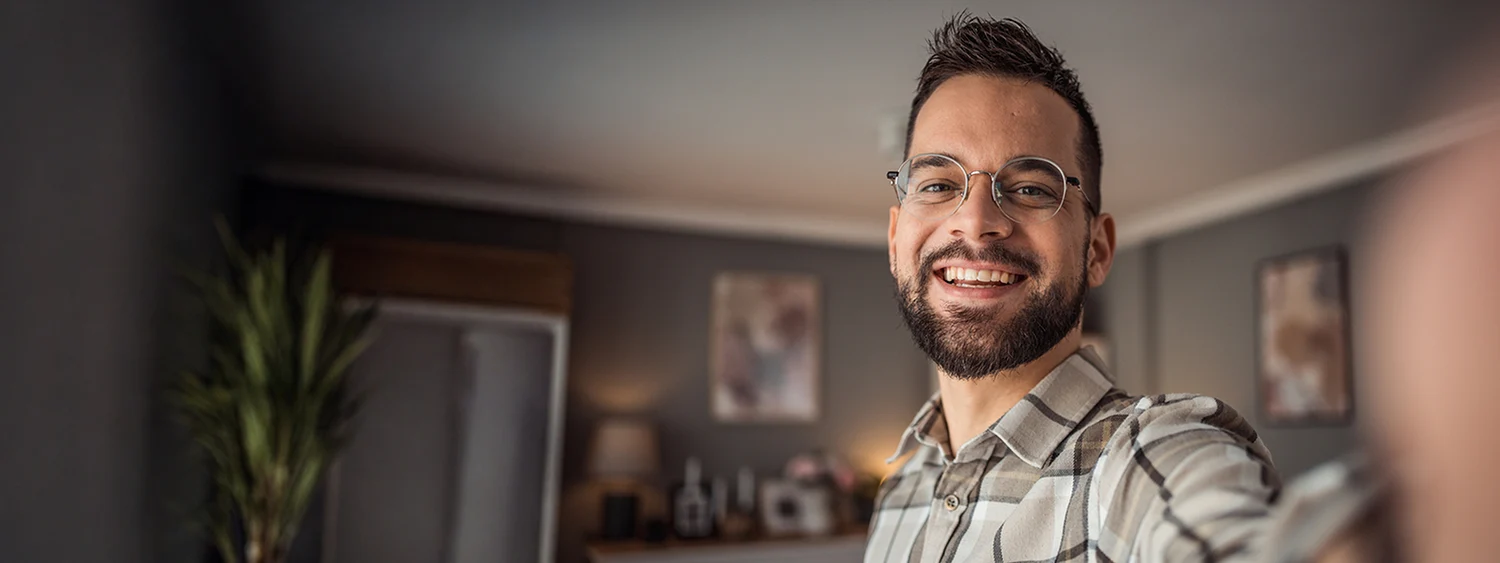
It’s Irritating – but a Selfie Could Save Your Life Savings
11 June, 2026 3 minutes reading time
We have all been there. You are right in the middle of a major life event, perhaps buying your first home, upsizing for a growing family, or finally downsizing for retirement. You have found the perfect place, your offer has been accepted, and you are ready to roll.
Then comes the paperwork.
Your solicitor asks you to download an app, take smartphone selfies from three angles, and upload scans of your passport. Next, they want to see three months’ bank statements, your original inheritance letters, or proof of exactly where your savings came from.
It feels intrusive. It feels frustrating. In fact, these legal hurdles are so annoying that some buyers get fed up and walk away from their dream moves altogether.
So, why do solicitors (and other professionals) put you through this gauntlet? It isn’t because they love bureaucracy. They do it because they are legally bound by strict anti-money-laundering legislation, and, more importantly, because the property market is the number-one target for highly sophisticated cybercriminals.
The Imposter Vendor
To understand why these checks matter, we only need to look at what happens when the system breaks down.
Consider the landmark case of Dreamvar (UK) Ltd v Mishcon de Reya (a firm) & Anor [2018] EWCA Civ 1082. A buyer put in an offer on a beautiful £1.1 million house in London. The transaction seemed entirely normal. The seller’s side presented identity documents, the money was transferred, and the keys changed hands.
Except the real homeowner had no idea any of this was happening.
A fraudster had completely forged the owner’s identity, briefly rented the property to access the mail, and put the house on the market. By the time the real owner walked down the driveway, the fraudster had vanished with over a million pounds of the buyer’s money.
Because the identity checks at the time weren’t robust enough to detect the fake documents, an innocent buyer lost their life savings in a flash. The courts eventually ruled that the law firms involved had to pay for failing to spot the scam.
That is exactly why property lawyers are so careful today. When a professional conveyancing team asks you for a live selfie, they use facial recognition technology to match your live face with your passport photo. This simple step proves you are a real person holding a real document, not a criminal using a stolen scan.
Protecting Your Hard-Earned Cash
Property transactions are prime targets because they involve large, life-altering sums of money. Criminals look for any weak link in the chain to slip through.
When lawyers trace your source of funds, they aren’t judging your spending habits. They are making sure that a hacker hasn’t intercepted the transaction to funnel dirty money into a clean asset. They are also ensuring that the person selling the house actually owns it and that the buyer is exactly who they claim to be.
Our Advice
The next time your conveyancer asks for another bank statement or a quick video verification, try to see it as a digital safeguard rather than a roadblock. A good legal team guides you quickly, safely, and with minimal stress. An extra ten minutes for a quick selfie is worth protecting your hard-earned savings. Also, choose firms with Law Society’s Conveyancing Quality Scheme (CQS) accreditation, like ours, to ensure top security and standards.
If you would like more information or guidance on buying or selling property, please don’t hesitate to contact us. We’re here to help.
Please note that all views, comments or opinions expressed are for information only and do not constitute and should not be interpreted as being comprehensive or as giving legal advice. No one should seek to rely or act upon, or refrain from acting upon, the views, comments or opinions expressed herein without first obtaining specialist, professional or independent advice. While every effort has been made to ensure accuracy, Curtis Parkinson cannot be held liable for any errors, omissions or inaccuracies.
Partnerships & Accreditations