0115 964 7740 - law@curtisparkinson.com

Why Your Home’s EPC isn’t Just a Tick-Box Exercise
10 March, 2026 4 minutes reading time
If you are planning to buy or sell a home this year, you may have noticed that the Energy Performance Certificate (EPC) has suddenly moved from the back of the sales pack to the very forefront of the conversation. In early 2026, the property market reached a tipping point. With the introduction of the government’s new Home Energy Model (HEM) and a shift in how banks approve mortgages, a property’s energy rating is now a key factor in its legal and financial saleability.
The Fabric First Revolution
The way a property’s energy performance is assessed has changed. While the old system was mainly based on the cost of fuel, the new energy performance standards (rolling out fully by October 2026) emphasise fabric performance. Essentially, this refers to how well your home’s building performs. That’s how well the walls, roof, and windows retain heat.
For those selling, this means invisible upgrades like cavity wall insulation are now being explicitly factored into valuations. For buyers, the new-style data offers a much clearer view of future running costs. If you are selling an energy inefficient home, you may find buyers use a low rating to negotiate a ‘retrofit discount’ to cover the cost of future mandatory upgrades.
Mortgages: The New “Green” Gatekeepers
The biggest change for the average person isn’t coming from the government, but from lenders. Green mortgages have become a primary tool for banks to manage their own carbon targets.
Energy Performance For Sellers
If your home is rated A, B, or a solid C, it is generally cheaper for a buyer to purchase because they can access lower interest rates. This makes your home more attractive and can lead to a quicker sale.
Energy Performance For Buyers
We are seeing more cases where lenders are tightening criteria or reducing “Loan to Value” (LTV) ratios for properties rated D or below.
New Property Information Mandatory
From a conveyancing perspective, 2026 is a landmark year. As of 30th March 2026, the 6th Edition of the TA6 Property Information Form is mandatory for all CQS-accredited firms.
This updated form requires much more detail on low-carbon technology and your home’s energy performance. If you have installed heat pumps, solar panels, or high-end insulation but haven’t kept the warranties and commissioning certificates, you may face significant delays during the enquiries stage. Evidence is everything. You must keep a well-organised file of all your energy-related paperwork. It is just as vital as your FENSA certificates or gas safety records.
Inaction is a Risky Strategy
With the government’s target of having all homes meet a minimum standard by 2030, the market is already dividing. Properties that are already efficient (referred to as the ‘Green Premium’) are holding their value, while those needing improvement face a brown discount.
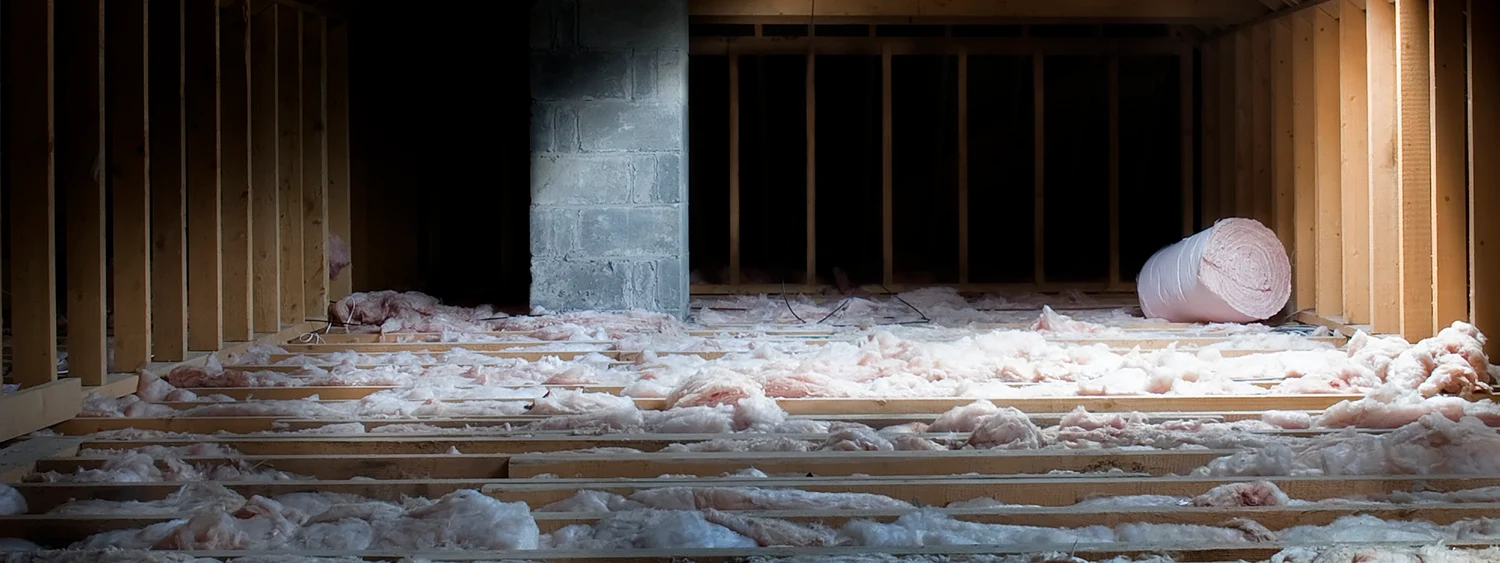
If you are buying, you need to know the cost to upgrade a property before you exchange. If you are selling, check your EPC early. Often, quick wins, such as switching to 100% LED lighting or topping up loft insulation, can elevate your property into a higher band, safeguarding your equity.
Our Advice
If you’re selling, don’t wait for a buyer’s surveyor to find a problem. Commission an energy performance assessment early to identify hurdles. Providing accurate information on the TA6 is vital to avoid future claims for misrepresentation. Buyers should look beyond the asking price. Ask your legal team to scrutinise the energy section of the TA6 form early in the process to avoid inheriting a retrofit debt.
Hiring an experienced lawyer who understands these 2026 shifts can make the difference between a collapsed chain and a successful completion. Please contact us today for a bespoke conveyancing quote. We’re here to help.
Please note that all views, comments or opinions expressed are for information only and do not constitute and should not be interpreted as being comprehensive or as giving legal advice. No one should seek to rely or act upon, or refrain from acting upon, the views, comments or opinions expressed herein without first obtaining specialist, professional or independent advice. While every effort has been made to ensure accuracy, Curtis Parkinson cannot be held liable for any errors, omissions or inaccuracies.
Partnerships & Accreditations